7 Tips for Choosing Vape Liquid Concentrate Flavour?
Choosing the right Vape Liquid Concentrate Flavour requires more than chasing a popular name. It involves ingredient transparency, sensory balance, device compatibility, and responsible purchasing. A bright fruit label may suggest freshness, but it reveals little about inhalation suitability.
The market is expanding quickly. Grand View Research estimated the global e-cigarette market at approximately USD 18.13 billion in 2023, while projections vary by region and product definition. This growth has produced thousands of flavour profiles, including fruit, dessert, beverage, mint, and tobacco styles. However, market size does not prove product safety. The U.S. National Academies report, Public Health Consequences of E-Cigarettes, stresses that food-use safety cannot automatically establish inhalation safety. That distinction matters.
Dr. Konstantinos Farsalinos, a physician and e-cigarette researcher, has stated, “Flavors are important in helping smokers switch from tobacco cigarettes.” His view highlights flavour’s practical role, but it does not remove the need for careful evaluation. Legal status also differs between countries, and some ingredients or marketing claims may be restricted.
A good choice begins with evidence. Check the ingredient list, batch information, supplier reputation, and intended use. Avoid concentrates designed only for food or fragrance applications. Never assume a pleasant aroma means safe inhalation. It does not.
This guide presents seven practical tips for choosing Vape Liquid Concentrate Flavour more thoughtfully. It also acknowledges an uncomfortable limitation: flavour descriptions remain subjective. A creamy vanilla note can taste smooth to one user and cloying to another. Therefore, informed testing, moderation, and reliable documentation matter more than attractive packaging.
Understanding Vape Liquid Concentrate Flavour Categories
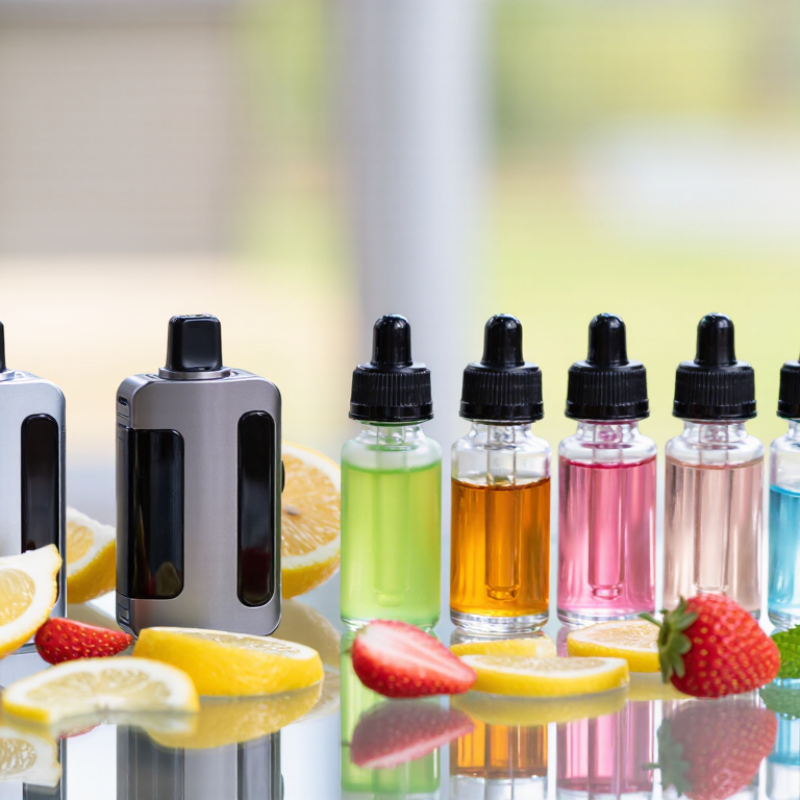
Choosing a vape liquid concentrate flavour starts with understanding its category, not chasing the strongest aroma. Fruit flavours often feel bright and clean, with citrus, berry, or tropical notes. Dessert flavours bring cream, vanilla, biscuit, or caramel impressions. Menthol and mint create a cooler finish, while tobacco-style profiles are usually drier and more earthy. Beverage flavours may resemble coffee, tea, or sparkling drinks.
Tip: Sample one category at a time. Keep notes on sweetness, cooling, and aftertaste. A small tasting record can reveal patterns that memory misses. Avoid judging a flavour after one brief test; some profiles develop after a short settling period. My first preference may change after several days. That is worth noticing.
Tip: Match the category to your daily routine. A heavy dessert profile may feel pleasant briefly, but tiring later. Fruit can seem easier for daytime use, while mint may suit people seeking a crisp finish. Check the ingredient information and use only concentrates intended for vape liquid preparation. Follow the supplier’s dilution guidance carefully, and never use cooking flavourings or unknown substances.
Tip: Buy from a transparent, reputable source that provides batch details and safety information. Local regulations also matter. If the label is vague, skip it. Personal sensitivity, sweetness tolerance, and device performance can change the result, so careful testing remains more reliable than online popularity.
Checking Ingredients, Strength, and Intended Mixing Use
7 Tips for Choosing Vape Liquid Concentrate Flavour?
A vivid label is not enough. Read every ingredient and safety document before buying. Food-grade does not automatically mean inhalation-safe. Avoid oil-based extracts, vitamin E acetate, and undisclosed additives. A 2020 CDC investigation linked vitamin E acetate to the EVALI outbreak, showing why ingredient transparency matters. I once treated “natural” as reassuring. That was careless. Natural substances can still behave poorly when heated.
Check strength carefully. Concentrate percentage is not the same as nicotine strength. Confirm whether the product is made for e-liquid mixing, aroma use, or another purpose. Never assume. Follow the stated dilution range, safety data sheet, and local labeling requirements. Measure with clean equipment, wear gloves, and work in a ventilated area. Keep concentrates away from children and pets. A small bottle can look harmless.
Independent data also deserves attention. The CDC’s 2023 National Youth Tobacco Survey reported 2.13 million U.S. middle and high school students currently used e-cigarettes, with 89.4% using flavored products. This does not prove that flavours are unsafe, but it reinforces the need for age controls and responsible presentation. Choose a clear ingredient list over exaggerated claims. Check batch information and storage guidance. If the intended mixing use is unclear, do not guess. Five minutes of checking can prevent a poor mixture.
7 Tips for Choosing Vape Liquid Concentrate Flavour
Check the ingredient list, confirm the intended mixing use, and choose nicotine strength based on the finished e-liquid rather than the flavour concentrate alone.
The chart shows mathematically equivalent nicotine strengths in finished e-liquid. The conversion is 1% nicotine by volume = 10 mg/mL. Flavour concentrates do not equal finished e-liquid and should be diluted only according to their product instructions.
Quick Selection Checklist
- Read the complete ingredient list before mixing.
- Confirm that the concentrate is specifically intended for e-liquid use.
- Do not assume a flavour concentrate can be vaped undiluted.
- Check whether the concentrate is PG-based, VG-based, or supplied in another carrier.
- Choose the nicotine strength for the finished liquid, not for the flavour concentrate.
- Follow the stated dilution range and intended mixing instructions.
- Use accurate measurements, label the finished mixture, and keep nicotine products away from children and pets.
Assessing Quality, Compatibility, and Storage Requirements
Quality starts with documentation, not a strong smell. Check the ingredient list, batch number, safety data sheet, and recommended dilution range. Reputable suppliers identify food-grade flavour compounds, but food-grade does not automatically mean inhalation-suitable. The National Academies report found limited evidence for many long-term inhalation effects. That uncertainty deserves attention. A 2023 WHO regulatory report also noted that 74 countries had no specific e-cigarette regulation. Standards can vary sharply.
Tip 1: Test compatibility before buying in quantity. Match the concentrate with the intended base and device instructions. Some flavour compounds may cloud a mixture, separate, or damage seals. Use a small sample first. Watch for sediment, unusual colour changes, or a sharp chemical odour. This simple check is imperfect, but it can expose problems early. Never use undiluted concentrate in a device.
Tip 2: Treat storage as part of quality control. Keep the bottle tightly closed, upright, and away from sunlight, heat, moisture, and children. A cool cupboard is usually better than a windowsill. Record the opening date. The flavour may fade before the printed date, especially after repeated air exposure. Tip 3: Recheck the supplier’s technical sheet when formulas change. A familiar label can still hide a new solvent or allergen statement. The U.S. National Youth Tobacco Survey reported that 89.4% of current student users chose flavoured products in 2023, showing strong demand, but popularity is not proof of safety or compatibility.
Testing Small Batches and Refining the Final Flavour Choice
When choosing a vape liquid concentrate flavour, small-batch testing keeps a promising idea manageable. Measure each ingredient with a calibrated scale, not kitchen spoons. Use a clean, labeled bottle and record the date, ratio, and intended strength. Follow the supplier’s technical sheet and safety data sheet. Wear gloves, avoid skin contact, and keep concentrates away from children and pets. Never taste a concentrate directly. It is not food flavouring by default.
Make several tiny trials, changing only one element at a time. Compare lower, middle, and slightly higher flavour percentages within the supplier’s guidance. Keep the base, steeping time, and storage conditions consistent. After mixing, inspect the liquid for separation or unexpected colour changes. Let samples rest in a dark, cool place, then evaluate them at set intervals. Smell first. Use a clean, dedicated device only as directed for the product. Note sweetness, sharpness, aftertaste, and whether the flavour becomes tiring after several minutes.
Refining is rarely linear. A fruit note may seem bright on day one, then become flat after steeping. I once preferred the strongest sample, but repeated testing exposed a harsh finish. That was useful. Remove one flavouring and retest rather than adding more ingredients immediately. Ask another adult tester for independent feedback, without sharing your preference. Keep failed samples documented; they reveal useful limits. Discard any batch with unclear ingredients, contamination, or an unusual reaction. Follow local rules and product instructions throughout.