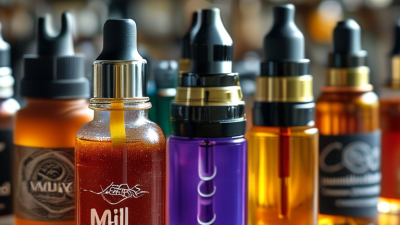
Global buyers need more than attractive names and strong aroma when comparing Vape Juice Flavour Concentrates. A bright mango note may smell excellent in a sample vial, yet perform poorly after dilution, storage, or heating. Reliable evaluation should consider ingredient transparency, batch consistency, solubility, sensory balance, and documented quality controls. It should also separate concentrates designed for vape products from ordinary food flavourings. Food-safe does not automatically mean suitable for inhalation.
Dr. Konstantinos Farsalinos, a physician and tobacco-harm-reduction researcher, has stressed, “Flavorings should not be assessed in isolation from the whole product.” That principle remains useful for international sourcing. Buyers should request current specifications, certificates of analysis, safety data sheets, allergen information, and clear intended-use statements. Local rules may also restrict certain flavour ingredients, packaging claims, or product categories. Check them carefully.
Small details matter.
A clean citrus profile should remain stable after transport, not turn harsh or cloudy in the bottle. A berry blend should offer a defined top note, gentle sweetness, and no chemical aftertaste. Still, no supplier is perfect. Testing methods can differ, and sensory judgments remain partly subjective. That weakness deserves attention rather than concealment. A practical shortlist should therefore combine laboratory documentation, sample testing, supplier experience, and independent regulatory review. The strongest options are not always the loudest flavours. They are consistent, traceable, responsibly described, and suitable for the buyer’s specific market.
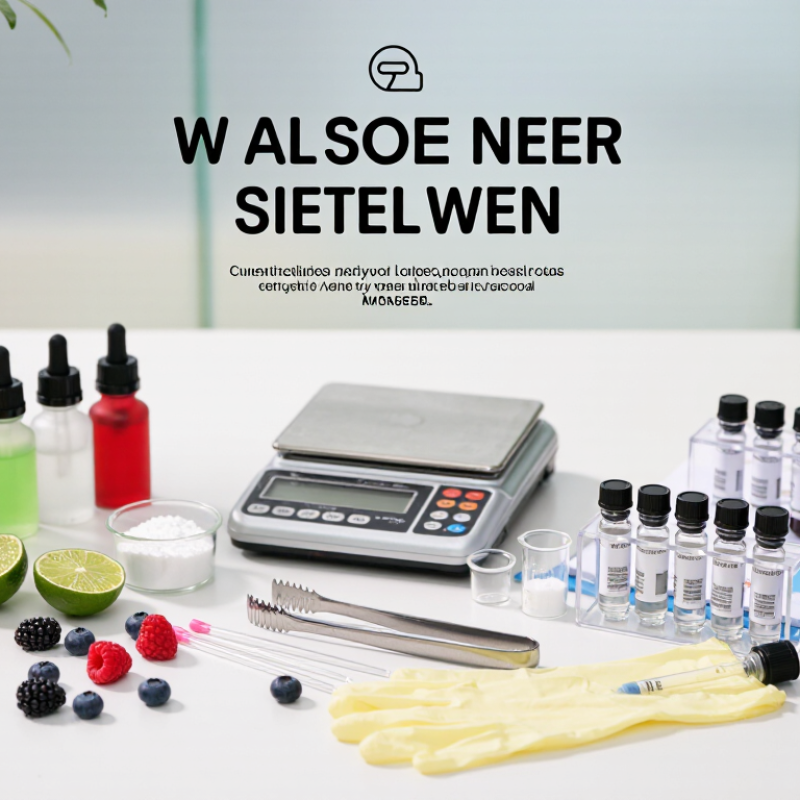
Top Vape Juice Flavour Concentrates for Global Buyers?
Vape juice flavour concentrates are concentrated aroma blends used to create e-liquid profiles. They are ingredients, not finished e-liquid. Manufacturers usually combine them with propylene glycol, vegetable glycerin, and permitted nicotine where local law allows. Concentration strength varies widely between formulations. Small measurement errors can change taste, throat feel, and consistency. That detail matters.
Grand View Research valued the global e-cigarette market at approximately USD 18.13 billion in 2021. This figure suggests strong international demand, but it does not prove every flavour concentrate is suitable for vaping. The National Academies’ 2018 report warned that heating flavour chemicals may produce additional compounds. Food-grade status alone is not enough evidence of inhalation suitability. This distinction is often missed, even by experienced buyers.
For global purchasing, request a full ingredient list, batch identification, safety data sheet, and contaminant testing. Look for documentation covering solvents, heavy metals, and unwanted residues. Suppliers should also explain recommended use levels and storage conditions. Keep concentrates sealed, cool, and away from children. Never treat a concentrate as a ready-to-use product. Local rules may restrict certain ingredients, packaging, sales channels, or nicotine content. WHO reported about 1.25 billion adult tobacco users worldwide in 2022, yet regulation differs sharply across markets. Compliance checks remain essential. Mistakes happen. Good records reduce them.
A practical comparison of common flavour-concentrate categories, formulation characteristics, and purchasing considerations. Flavour concentrates are highly concentrated ingredients intended to be diluted; they are not finished e-liquid and should not be vaped undiluted.
| Flavour Concentrate Category | Typical Sensory Profile | Common Starting Range in E-Liquid | Typical Use in Formulation | Carrier Compatibility | Key Buyer Considerations |
|---|---|---|---|---|---|
| Fruit | Sweet, tart, juicy, or ripe fruit notes such as citrus, berry, tropical, and stone-fruit profiles. | Approximately 3%–10%, depending on concentration, recipe balance, and supplier instructions. | Used as a primary flavour or combined with cream, beverage, cooling, or bakery notes. | Usually designed for dilution in a PG-based flavour carrier and then blended into a PG/VG base. | Check clarity, batch consistency, allergen information, and whether the profile changes after steeping. |
| Dessert and Bakery | Rich, creamy, buttery, pastry, biscuit, cake, custard, or caramelised notes. | Approximately 4%–12%; complex profiles may require a longer development period. | Used to create layered dessert recipes and to add body or sweetness perception. | Generally compatible with PG/VG systems when the concentrate is specifically formulated for e-liquid use. | Review viscosity, colour change, ingredient disclosure, and compatibility with the intended coil and device. |
| Beverage | Soda, tea, coffee, energy-drink-style, cocktail-inspired, or other drink-related profiles. | Approximately 3%–8%, subject to the concentrate’s strength and formulation guidance. | Used alone or with fruit, cooling, sweetener, or botanical-style notes. | Best used only when the concentrate is confirmed to be suitable for inhalation-product formulation. | Ask for stability data, recommended dilution, packaging specifications, and regulatory documentation for the destination market. |
| Menthol and Cooling | Cool, crisp, minty, eucalyptus-like, or icy sensations with varying levels of intensity. | Approximately 0.25%–5%; small changes can significantly affect sensory intensity. | Used to provide cooling or to enhance fruit, mint, tobacco-style, and beverage profiles. | Typically diluted in PG before incorporation into the final PG/VG mixture. | Confirm the exact cooling agent, concentration, handling guidance, and local restrictions before purchase. |
| Tobacco-Style | Dry, woody, nutty, earthy, smoky, sweet-leaf, or roasted notes. | Approximately 3%–10%, with many blends benefiting from gradual adjustment and steeping. | Used as a standalone profile or combined with vanilla, caramel, nut, fruit, or cooling notes. | Usually intended for PG/VG dilution; performance depends on the concentrate’s solvent system. | Request ingredient information, colour and sediment specifications, and documentation confirming suitability for the intended use. |
| Sweetener and Enhancer | Sweetness, mouthfeel, smoothness, sourness, or flavour amplification rather than a complete flavour profile. | Often below 1%–3%; the supplier’s maximum recommended level should be followed. | Used in small quantities to adjust sweetness, acidity, body, or perceived intensity. | Compatibility varies; some materials may affect coil cleanliness, colour, or final-liquid stability. | Do not assume that a food-use ingredient is suitable for inhalation. Obtain product-specific safety and application documentation. |
| Botanical and Spice-Style | Herbal, floral, aromatic, spicy, tea-like, or resinous notes. | Approximately 0.25%–5%, because many aromatic materials are potent at low levels. | Used as an accent or in complex botanical, tea, fruit, and beverage formulations. | Requires confirmation that the formulation is suitable for the intended aerosol application and carrier system. | Pay close attention to restricted substances, essential-oil content, purity specifications, and destination-market rules. |
Important purchasing note: Recommended percentages are general starting points, not universal specifications. Buyers should follow the supplier’s technical data, safety documentation, intended-use statement, and applicable regulations in each destination country. Do not use oil-based ingredients, essential oils, or undiluted flavour concentrates in vaping products unless their suitability has been specifically established by qualified documentation.